IBM and Microsoft’s November 10 announcement of Imagine Enterprise focuses on connecting AI agents with existing business systems and industry processes.
It brings me back to a question that spans my work with business-process automation and enterprise applications: what happens after the automated step finishes?
Neo4j’s November 9 announcement with IBM caught my attention because it focuses on connecting business context for enterprise AI.
In facilities management, that context can be very concrete: equipment serves a space, a work order concerns that equipment, and a maintenance activity depends on another task being completed.
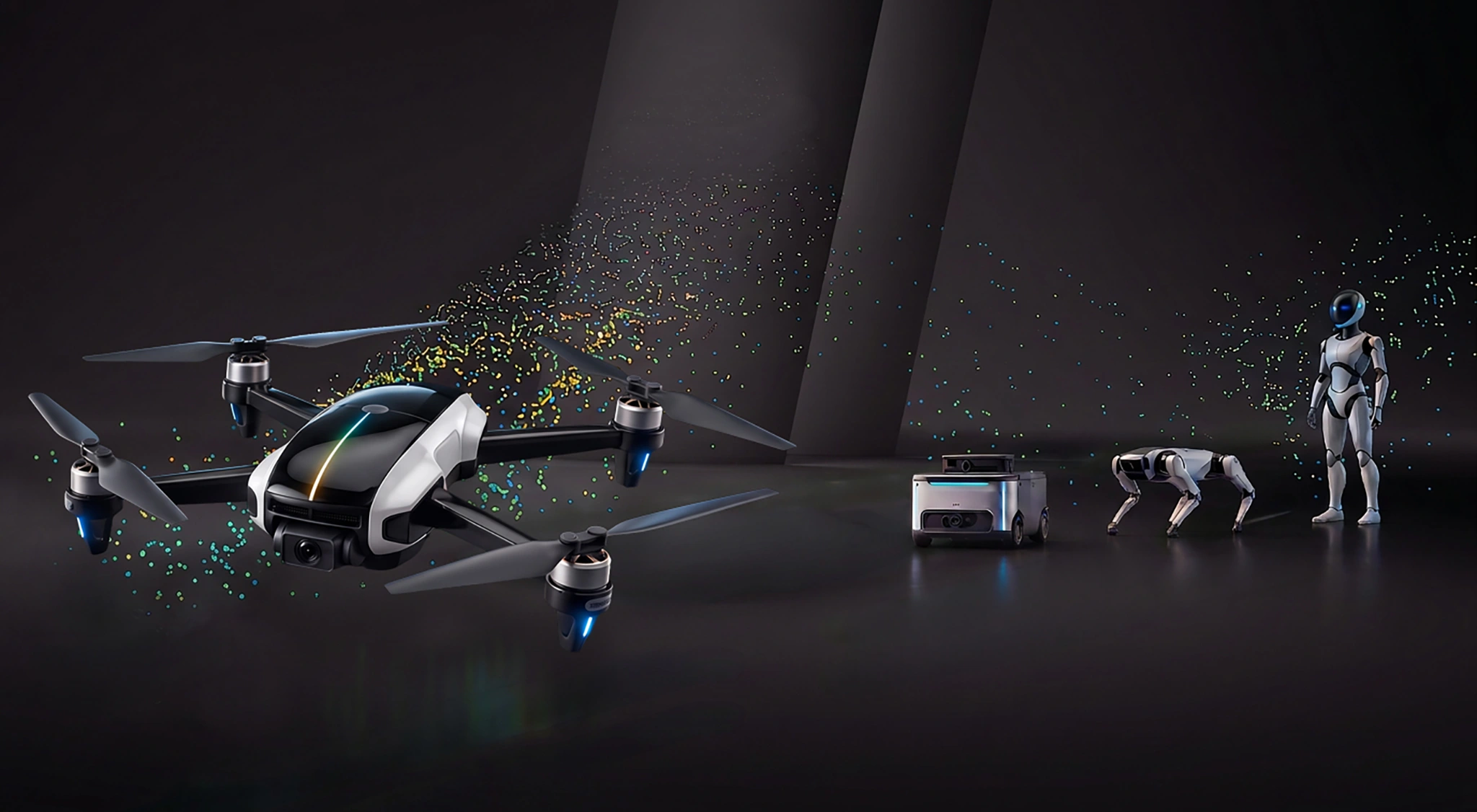
Today, NXP announced a unified robotics platform connecting sensing, real-time control, AI processing, and communications. That focus on integration connects with my research in autonomous robotic sensing for indoor environmental quality.
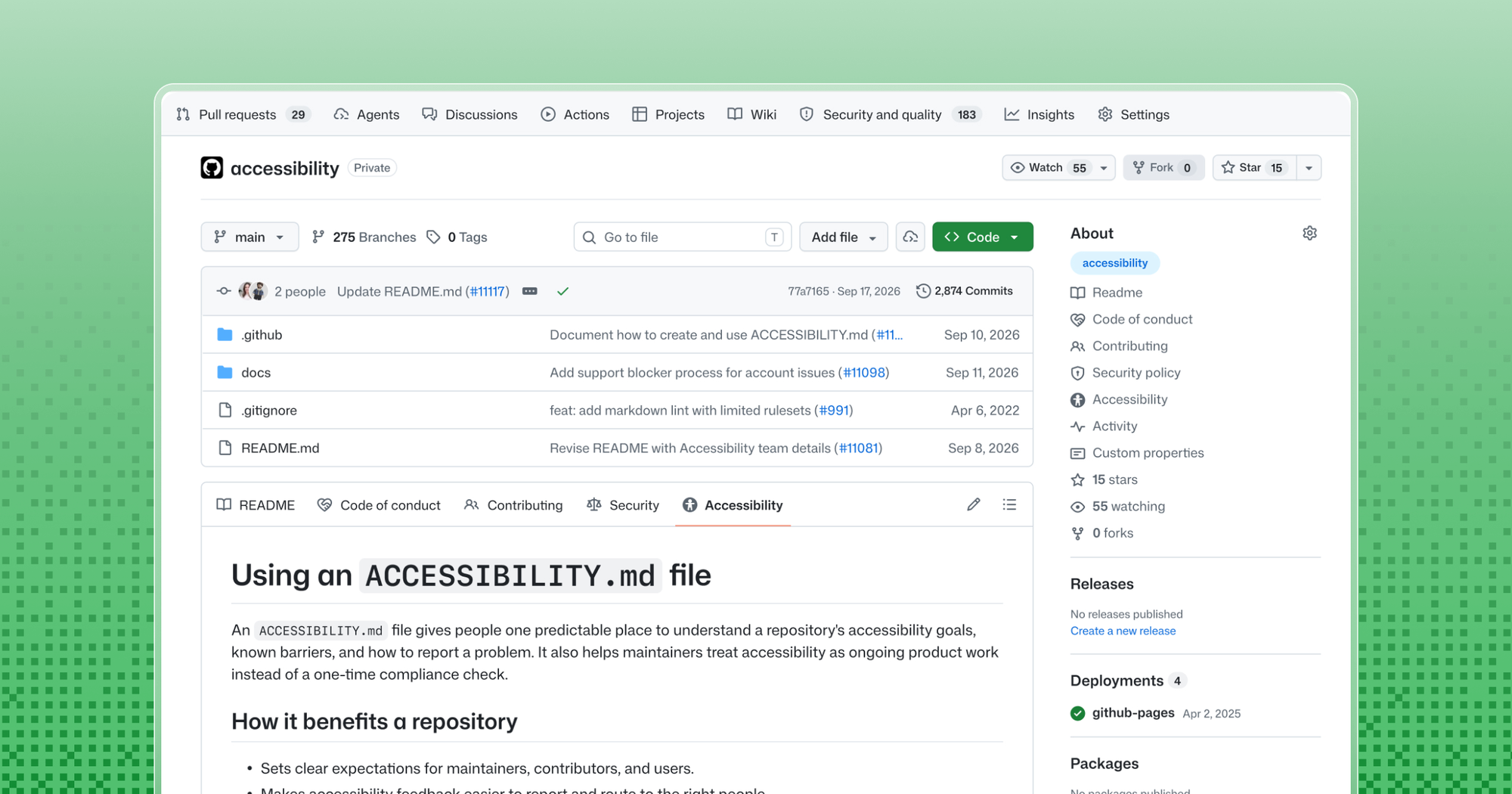
GitHub’s November 5 announcement gives ACCESSIBILITY.md files a more visible place in repositories, helping maintainers document supported environments, known limitations, and ways to report problems.
That suggests a useful addition to project-based programming assignments.
Faster for someone opening a dashboard? Submitting a request? Waiting for an export while dozens of colleagues do the same?
Databricks’ November 5 scaling guide starts with an approach I appreciate: define the user journeys, peak demand, and response-time targets before choosing additional computing capacity.
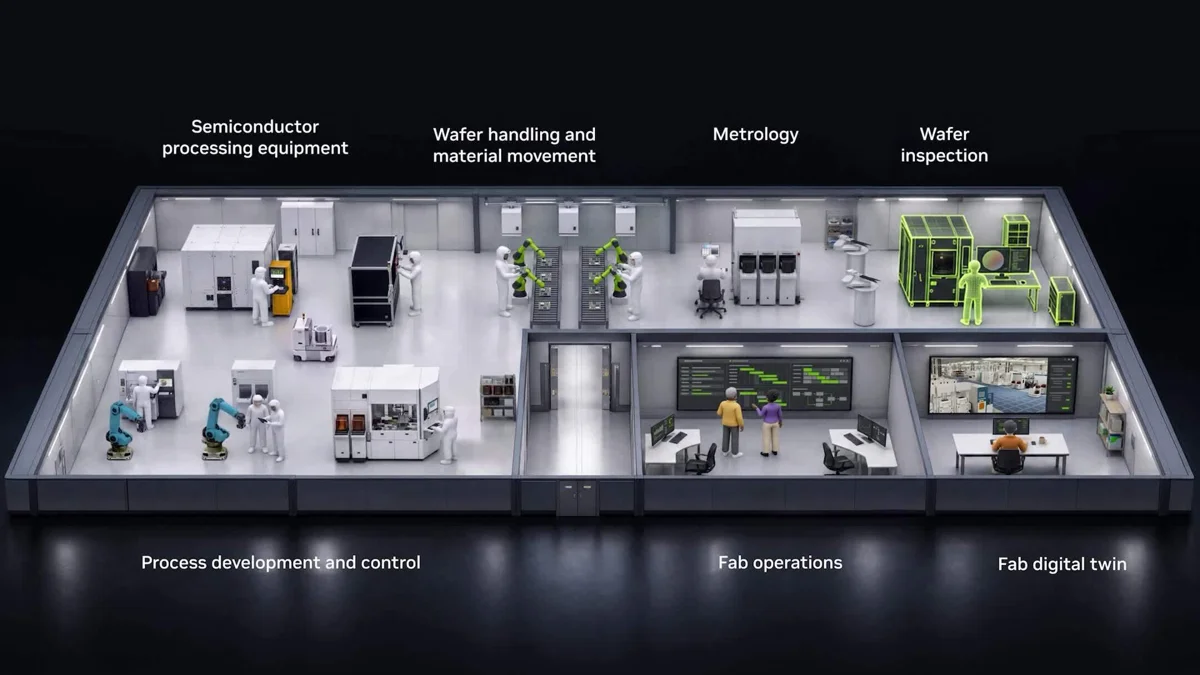
NVIDIA’s November 3 article on semiconductor fabs describes how accelerated simulation, physics-based AI, and digital twins help engineers explore process changes before physical trials.
It connects with my research on deep learning for defect detection in additive manufacturing.
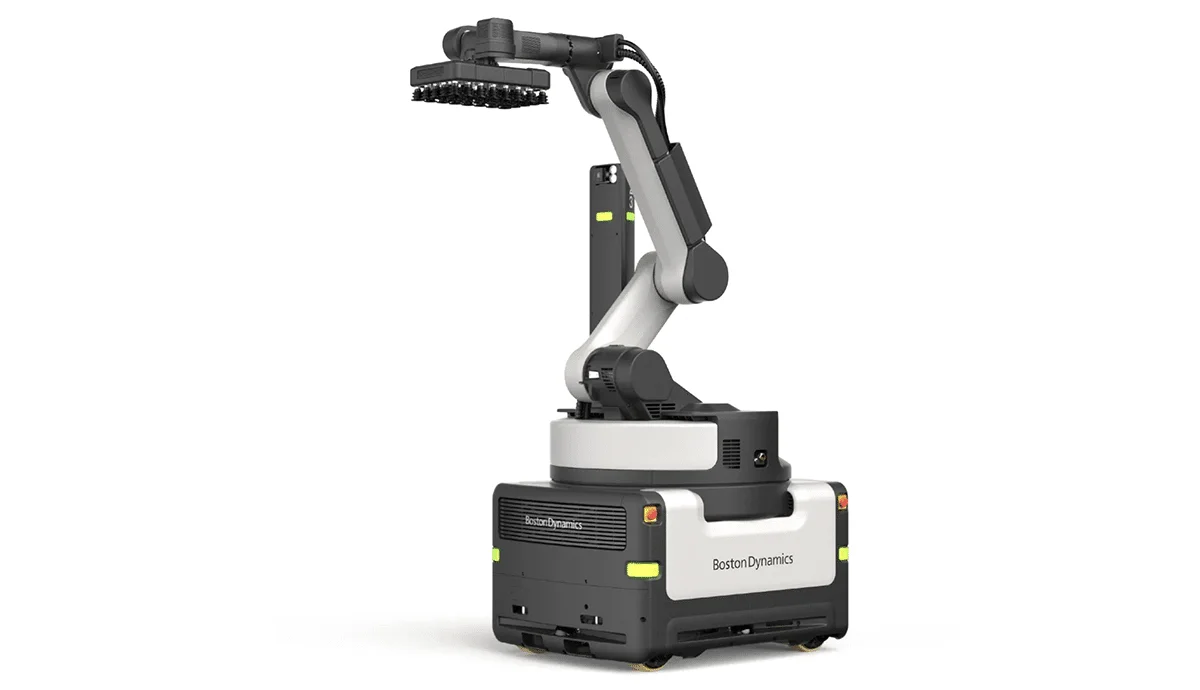
Boston Dynamics’ November 3 announcement of Stretch Gen 2 caught my attention for its focus on serviceability. Alongside hardware upgrades, the company describes modular component replacements and onboard diagnostics intended to help customers handle more routine maintenance.
GitHub’s November 2 Agentic Workflows spotlight features “Architecture Guardian,” a scheduled workflow that examines recent commits for structural concerns such as oversized functions and import cycles. It operates with read permissions and a spending cap.
Microsoft Research’s October 30 article describes synthetic enterprise environments for evaluating Copilot: fictional organizations with users, documents, meetings, and communication histories, built without customer data.
That approach interests me because my work spans machine learning and enterprise facilities applications.
n8n’s October 30 guide on API rate limits highlights backoff, retry limits, and checking whether an action is safe to repeat.
That last point matters in my work with enterprise applications, Python automation, and facilities integrations.
Databricks’ October 29 Procore case study article describes how Procore evolved its construction analytics architecture to deliver curated data more frequently. One detail stood out to me: the same modeled data supports both application reporting and customer extracts.
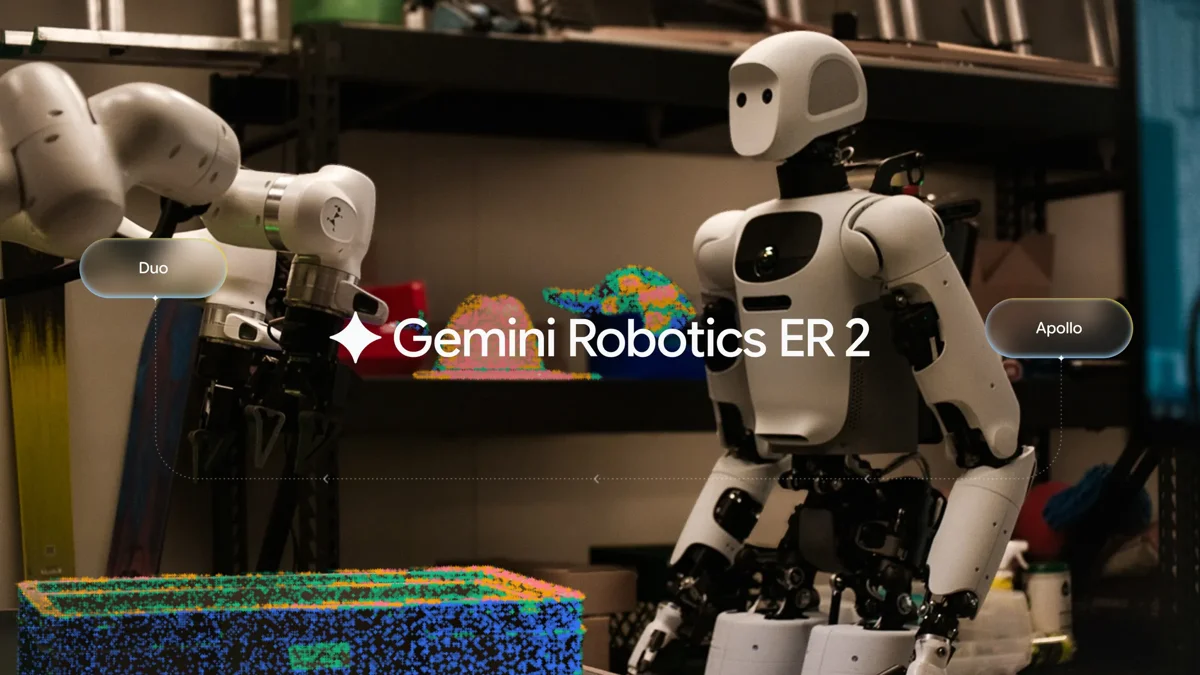
Google Cloud announcement, October 27, 2026 puts Gemini Robotics Embodied Reasoning 2 into public preview, with capabilities for interpreting video, planning tasks, and coordinating robot tools.
For me, this raises a practical question: how do we connect better robotic reasoning to better facility decisions?
 Automation