A robot’s repair process belongs in the product design conversation.
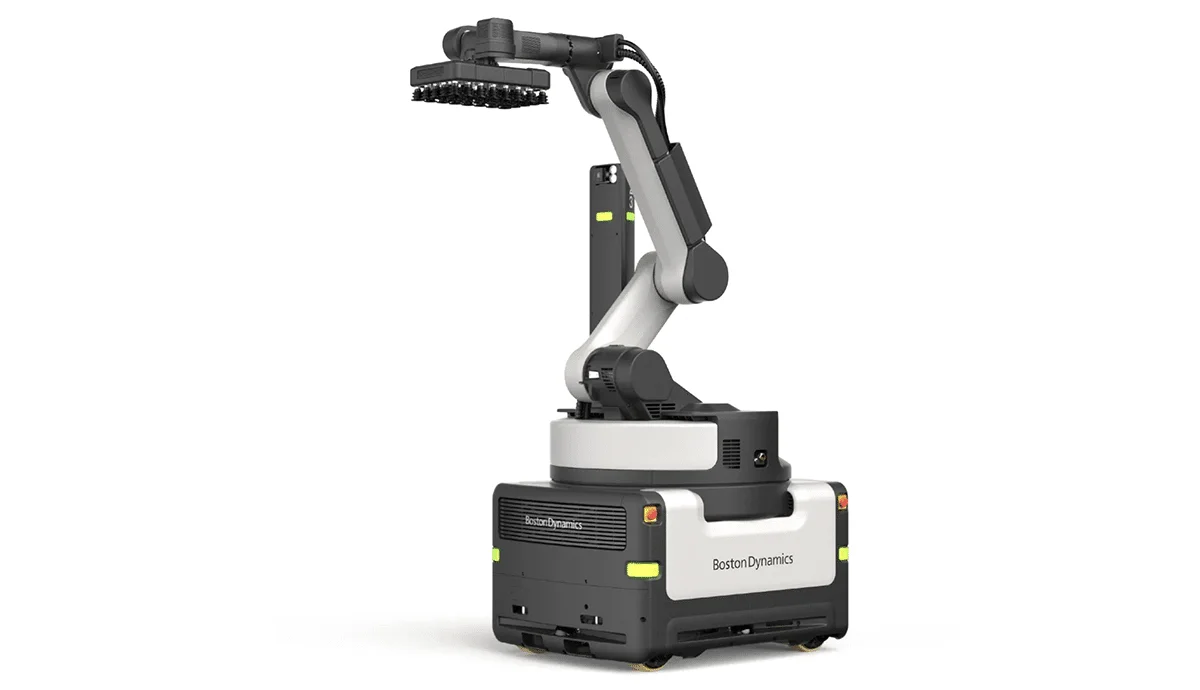
Boston Dynamics’ November 3 announcement of Stretch Gen 2 caught my attention for its focus on serviceability. Alongside hardware upgrades, the company describes modular component replacements and onboard diagnostics intended to help customers handle more routine maintenance.
My work spans facilities applications and autonomous robotic sensing, so this connection between engineering and ongoing operations interests me. When evaluating a robot for an operational setting, I would want to follow a failure through the entire recovery process. Can the operator identify what happened? Does the maintenance team have the tools, parts, and instructions to respond? After a repair, how does the team confirm that the robot is ready to return to service? Those questions influence staffing, spare-parts planning, training, and the maintenance records a facility needs to keep. They also deserve attention during a pilot, when teams can observe recovery under realistic conditions. For the next robotics evaluation, I would include a service exercise alongside the task demonstration: introduce a recoverable fault, diagnose it, restore operation, and document the time and effort involved. That exercise can reveal requirements a successful demonstration leaves unexplored.
#Robotics #AssetManagement #ProductDevelopment